Polycystic Ovary Syndrome (PCOS): A Simple Guide for Understanding and Support
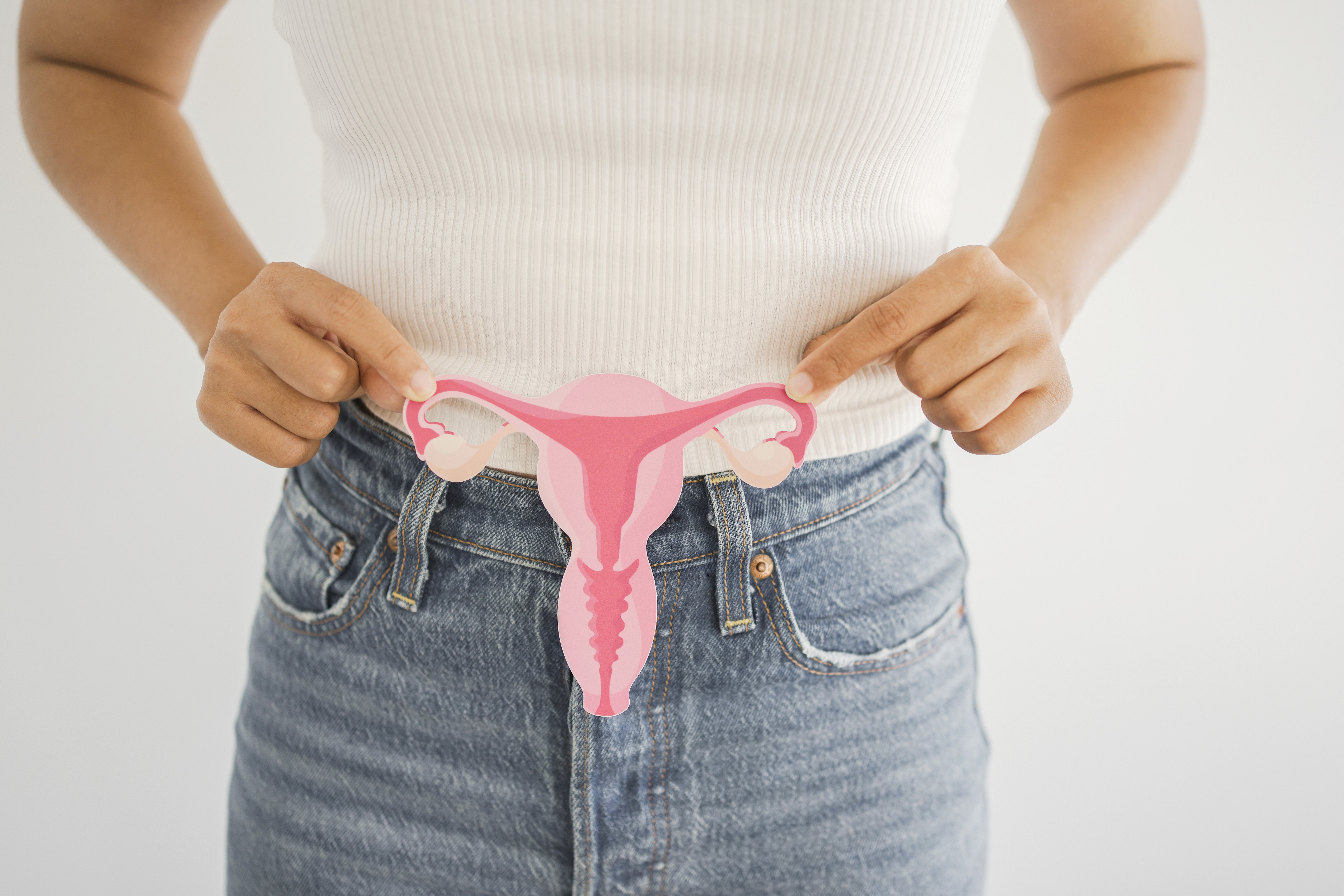
An easy-to-read overview of PCOS – what it is, why it happens, how it’s identified, and tips for living with it day-to-day. Learn in clear terms without the medical jargon.
Understanding PCOS: What You Should Know
Polycystic ovary syndrome (PCOS) is a common health condition that affects about 1 in 10 women of childbearing age. If you have PCOS, your body has a hormonal imbalance that can impact your overall health and appearance. The name comes from multiple small “cysts” (fluid-filled sacs) that might develop on your ovaries, but not everyone with PCOS has ovarian cysts – PCOS is defined by hormonal symptoms more than just these cysts. Women with PCOS often have higher levels of “male” hormones (androgens) and may not ovulate (release an egg) regularly. This can lead to symptoms like irregular menstrual periods, unwanted hair growth, acne, and weight challenges. PCOS is also a leading cause of infertility, meaning it can make it harder to get pregnant. The good news is that “treatable” is a keyword – while there’s no cure, there are many ways to manage the symptoms. Because PCOS is so common, chances are you or someone you know is affected by it, and understanding this condition helps you recognize it and get the right support.
Why It Develops and How It Appears
Doctors understand PCOS as the result of several factors working together, including genetics and how your body regulates hormones. PCOS often runs in families. Many women with PCOS have higher-than-normal levels of androgens, hormones such as testosterone that are usually present in smaller amounts in women. When androgen levels rise, ovulation may not happen regularly, which can lead to symptoms like acne and excess hair growth. In PCOS, your body may not respond well to insulin, a hormone that helps control blood sugar. This insulin resistance causes your body to produce more insulin, which can then signal the ovaries to make more androgens. This creates a cycle that contributes to hormone imbalance.
PCOS symptoms appear because of these hormone changes, and they can vary widely. Irregular menstrual periods are common, including unpredictable cycles, infrequent periods, or periods that stop for a time. Some women experience very heavy periods when they occur. You may notice excess hair growth on the face, chest, or chin, or thinning hair on the scalp. Skin changes such as persistent acne, oily skin, or darkened, thickened patches of skin, often on the neck or underarms, can also appear. Weight gain around the waist or difficulty losing weight may occur. Symptoms range from mild to more noticeable, and each person’s experience with PCOS is different.

How It Is Commonly Identified
There is no single test for PCOS, so identification usually involves a careful evaluation. If your doctor suspects PCOS because of irregular periods or symptoms like excess hair growth, they ask about your symptoms and medical history, including family history, and perform a physical exam that looks for signs such as acne, unwanted hair, or areas of skin darkening. Blood tests are often used to check hormone levels, including androgens, and to rule out other conditions that can cause similar symptoms. An ultrasound scan is commonly done to look for multiple small follicles on the ovaries or ovarian enlargement. Instead of a yes-or-no result, doctors use specific criteria and usually identify PCOS when at least two of three features are present: irregular or absent periods, signs of high androgen levels, or polycystic ovaries on ultrasound. Your provider also makes sure other conditions, such as thyroid or hormonal disorders, are not responsible for the symptoms. PCOS can sometimes be missed or take time to recognize because symptoms may seem unrelated, like acne and irregular periods. Once the pattern becomes clear, doctors can identify PCOS with confidence, and early identification helps support symptom awareness and monitoring of related health risks.
Different Forms and Stages You May Hear About
Insulin-Resistant PCOS
This is the most common form of PCOS. It is often associated with insulin resistance, where the body does not respond effectively to insulin and produces more of it. Higher insulin levels can signal the ovaries to make more androgens, which contribute to common PCOS symptoms. Women with this form may notice weight gain, especially around the waist, along with fatigue or strong cravings for sugary foods. Many women with PCOS have some level of insulin resistance. Due to this connection, maintaining blood sugar balance often becomes a key focus, whether through lifestyle changes or medications such as metformin, depending on individual needs.
Post-Pill PCOS
Post-pill PCOS describes PCOS-like symptoms that appear after stopping hormonal birth control. In these cases, birth control may have been masking underlying symptoms or the body may experience a temporary hormone shift after discontinuation. Androgen levels can rise during this transition, leading to irregular periods, acne, or hair changes. Unlike other forms, insulin resistance is usually not present. This type may improve over time as hormone levels settle, so doctors often monitor symptoms before deciding on longer-term management.
Inflammatory PCOS
Inflammatory PCOS is sometimes used to describe PCOS alongside signs of ongoing inflammation in the body. In addition to typical symptoms, women may notice fatigue, headaches, joint or muscle discomfort, or inflammatory skin issues. The idea is that inflammation may stimulate higher androgen production, which can worsen symptoms. This is not a formal diagnosis, but it may be discussed when inflammation appears to play a larger role alongside PCOS features.
Managing Daily Life With PCOS
Living with PCOS can feel challenging, but there are practical ways to support yourself day to day. While there is no cure for PCOS, ongoing management can reduce how much it affects your life. Small, consistent choices often matter more than drastic changes, and progress looks different for everyone.
Healthy Eating
Balanced eating plays an important role in managing PCOS. Focusing on whole foods like vegetables, lean proteins, healthy fats, and high-fiber grains supports overall health. Because PCOS is linked to insulin resistance, limiting excess sugar and refined carbohydrates may help you feel better. Some women notice steadier energy when meals are spread throughout the day. Maintaining a healthy weight can support hormone balance, and even modest weight changes may lead to improvements. This focus is about supporting your body’s systems, not appearance, and every positive change counts.
Staying Active
Regular physical activity supports insulin sensitivity, weight management, and emotional well-being. Consistency matters more than intensity. Many people aim for moderate activity spread across the week, along with some strength training. Exercise can also help lower stress and support mood. Choosing activities you enjoy makes it easier to stay active over time, and starting small is completely fine.
Monitoring Your Health
PCOS can be linked to higher risks for issues like elevated blood sugar or blood pressure. Staying aware of these factors through routine checkups and recommended tests helps catch changes early. Regular wellness visits allow you and your provider to review patterns and adjust care as needed. These steps support long-term health awareness.
Above all, remember that you’re not alone in living with PCOS. It’s a common condition, and many women lead full, happy lives while managing it. By steadily taking care of your body and mind, you can greatly improve your daily life with PCOS and reduce the chances of long-term health issues.

Simple Precautions That Can Support Safety and Comfort
Even small precautions can help you stay on top of your health and feel more comfortable when you have PCOS. Here are a few tips:
Stick to regular health check-ups
Seeing your healthcare provider for routine exams and screenings supports early awareness of health changes linked to PCOS. Regular checks of blood sugar, blood pressure, and cholesterol help identify concerns sooner. Staying consistent with appointments allows you and your provider to address potential issues early and adjust care as needed over time.
Use medications and supplements safely
Take prescribed PCOS medications exactly as directed by your provider. Before trying supplements or herbal products, discuss them with a healthcare professional. Professional guidance helps ensure anything you use is safe and aligned with your overall care plan.
Don’t overdo diets or workouts
Healthy eating and physical activity support well-being, but extreme approaches can add stress to your body. A balanced, sustainable routine with moderate activity and nourishing foods often feels more manageable and supportive over time.
Manage stress in healthy ways
Stress can influence hormone balance, so finding calming routines is important. Simple habits like deep breathing, gentle movement, or quiet breaks during the day can help. Activities you enjoy and supportive conversations may also ease stress. Seeking professional or peer support is a positive step when stress feels hard to manage.
Myths vs. Facts: What You Want to Clarify
Myth
PCOS means you can’t have children.
Fact
While PCOS is a common cause of infertility, it does not mean you’re unable to get pregnant. Many women with PCOS do have babies, sometimes with medical help if needed.
Myth
You must have cysts on your ovaries (or be overweight) for it to be PCOS.
Fact
Not true. You can have PCOS at any weight, and you don’t need to see ovarian cysts on an ultrasound for a PCOS diagnosis. The syndrome is defined by hormonal symptoms – some women with PCOS are thin and some never develop ovarian cysts.
Myth
PCOS has a cure or will eventually go away on its own.
Fact
There is currently no cure for PCOS. It’s a long-term condition. However, treatments and healthy lifestyle changes can manage the symptoms very effectively. Some women do find that certain symptoms improve with age or after menopause, but the underlying tendency to hormonal imbalance remains.
Myth
PCOS only affects your reproductive health.
Fact
PCOS can also impact metabolism, insulin levels, skin, and long-term health, including increased risk for diabetes and heart disease.
Why Awareness Still Matters
PCOS affects millions of women, yet many do not realize they have it. It is estimated that a large number of women with PCOS remain undiagnosed, which makes awareness especially important. Recognizing common signs like irregular periods or excess hair growth can encourage earlier conversations with a healthcare provider. Earlier identification supports better long-term health awareness, including risks related to blood sugar or heart health. Awareness also helps reduce stigma around topics like menstrual health or fertility, which are often kept quiet. Open conversations foster understanding, support, and a stronger sense of community around women’s health.
Common Questions You May Have
Can PCOS be prevented?
There is no known way to fully prevent PCOS. Genetics and hormone factors play a role beyond your control. Healthy habits may support overall health, but PCOS is not something you cause or avoid by doing everything “right.”
Can I still get pregnant if I have PCOS?
Do I need to treat PCOS if I’m not trying to have a baby?
At what age does PCOS start?
Trending Articles
Helpful reads on diseases, therapies, and daily health choices.


my
health
wisdom
Simple information for everyday health decisions.
© 2026 MyHealthWisdom. All rights reserved.
The information on this website is not intended as a substitute for professional medical advice, diagnosis, or treatment. Always seek the advice of your physician or other qualified health provider with any questions you may have. Never disregard professional medical advice or delay in seeking it because of information you may have read on this website.