Depression: More Than Just “Feeling Sad”
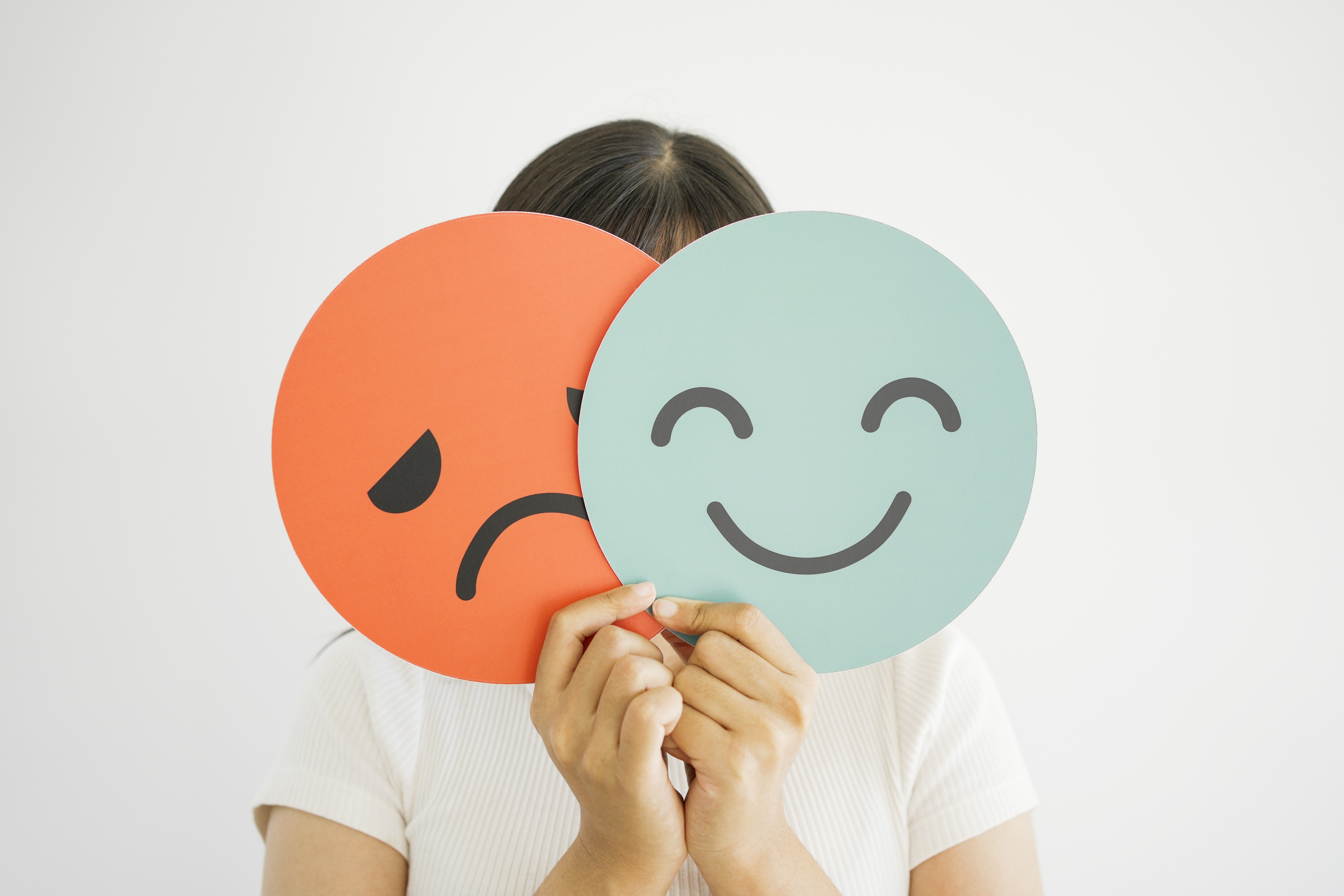
Understand what depression really is, why it develops, how it’s identified, and everyday ways to manage it while addressing common myths.
Understanding Depression: What You Should Know
Depression is a common mental health condition that involves a persistently low mood or a loss of interest in activities over a long period. It is classified as a mood disorder, and there are different types ranging from short-term episodes to longer-lasting forms. Depression can affect how you feel, think, and function each day, making it hard to enjoy life or keep up with daily responsibilities.
Anyone can be affected by depression – it impacts people of all ages and backgrounds. In the United States alone, about 8% of adults (over 21 million people) experience major depression in a given year. Worldwide, it is recognized as a leading cause of disability, reflecting how serious and widespread the impact can be. Raising awareness of depression is important today because it remains common and often misunderstood, and understanding it better is a key step toward reducing stigma.
Why It Develops and How It Appears
No single cause explains depression. It usually results from a mix of factors that vary by individual. Biology (brain chemistry and genetics) may play a role – for example, a family history of depression might make it more likely. Additionally, difficult life experiences such as the loss of a loved one, trauma, chronic stress, or a serious illness can contribute to depression. Remember, everyone’s situation is different, and depression often arises from a unique combination of factors rather than one simple reason.
Depression can show up through many different symptoms, and not everyone experiences it the same way. Common signs include a persistently sad or “empty” mood and a loss of interest in activities you once enjoyed. You may also have changes in sleep and appetite (sleeping too much or too little, eating more or less than usual), along with low energy most days. Many people become easily irritated or have trouble concentrating. Feelings of guilt or hopelessness can also occur, and in severe cases a person might have thoughts of death or suicide. Symptoms can range from mild to severe, so experiences can vary widely.

How It Is Commonly Identified
Depression is usually identified by recognizing an ongoing pattern of emotional and behavioral changes. There’s no single lab test for it, so identification relies on noticing these changes and discussing them with a healthcare provider. You or your family might notice that a low mood or lack of interest isn’t going away. If you visit a doctor, they will ask how you’ve been feeling, how long your feelings have lasted, and how they affect your life.
Healthcare providers look for several key symptoms that last at least two weeks in a row to determine if it’s depression. They may also do simple tests to rule out other health issues that could be causing the symptoms (for example, a thyroid problem can sometimes cause similar symptoms). Recognizing depression early may help you seek support sooner and prevent some problems from getting worse.
Different Forms and Stages You May Hear About
Major Depression (Major Depressive Disorder)
This form involves intense symptoms (like very low mood and loss of interest) that last for at least two weeks. It’s often what people mean by “clinical depression,” and it can significantly affect your day-to-day life when it happens.
Persistent Depressive Disorder (Dysthymia)
A longer-term type of depression that is less severe than major depression but lasts for years (usually two or more). If you have this, you might feel generally low or tired for a very long time, but without some of the more extreme symptoms of major depression.
Seasonal Affective Disorder (Seasonal Depression)
A pattern of depression that comes and goes with the seasons. It typically begins in the fall or winter months and lifts during the spring or summer. People with this type often notice mood changes and low energy during the darker, colder months each year.
Managing Daily Life With Depression
Living with depression can be challenging, but there are practical steps that may help you cope day to day. One important approach is to maintain a gentle daily routine. Try to wake up and go to bed around the same time each day, and aim for regular meals even if your appetite is low. Simple activities like taking a short walk or doing light exercise can sometimes boost your mood and energy level. In fact, regular physical activity, getting enough quality sleep, and eating a healthy diet are all small habits that may improve your mood over time. It also helps to avoid using alcohol or drugs to cope, since these can actually make you feel worse in the long run. Instead, give yourself credit for small accomplishments and break bigger tasks into little steps so that they feel more manageable on a hard day.
Emotional support is another key part of daily management. Consider confiding in someone you trust about what you’re feeling – it could be a friend, family member, or support group. Talking about it with a caring person might relieve some pressure and remind you that you’re not alone. Some people find that writing in a journal or engaging in creative hobbies (like art or music) provides an outlet for their feelings. It’s okay to ask for help with daily responsibilities if you need it. For example, a family member might assist with errands or household tasks when your energy is low. Remember that managing depression day by day often means celebrating small victories – even getting out of bed or taking a shower on a tough day is an achievement – and being kind to yourself as you find what strategies work best for you.

Simple Precautions That Can Support Safety and Comfort
Making a few mindful adjustments at home may improve your sense of comfort when you’re dealing with depression. Surround yourself with things that soothe you (like soft lighting or familiar items) and try to let in natural light during the day. Keeping some order in your space can help, since clutter can add to stress. Having a simple daily routine – such as set times for waking, eating, or relaxing – can provide a bit of stability when things feel difficult.
Easing up on major pressures is also wise. If possible, try to postpone big life decisions while you’re depressed, and avoid pushing yourself into situations you’re not ready to handle. It’s okay to say no to extra responsibilities or plans that feel too taxing. As a safety net, keep contact numbers for a trusted friend or a crisis line handy so help is available if you need it. Taking these simple steps can make your daily life feel safer and more comfortable.
Myths vs. Facts: What You Should Know
Myth
Depression is just normal sadness.
Fact
It lasts longer and involves more symptoms than a passing sad mood.
Myth
Depression isn’t a real illness (it’s a weakness).
Fact
Depression is a real health condition, not a personal weakness.
Myth
Only certain people get depressed.
Fact
Depression can affect anyone, at any age or background.
Myth
It’s a normal part of life or aging.
Fact
Depression isn’t inevitable and shouldn’t be ignored – feeling depressed isn’t just “getting older”.
Why Awareness Still Matters
Depression is common but often misunderstood. Being aware of it encourages people to talk openly, get help when needed, and support each other without stigma. By learning about this condition, you make it more likely that warning signs will be noticed rather than dismissed. Understanding depression also fosters empathy and patience, helping those affected feel less alone. In short, continued awareness of depression can reduce stigma and make it easier for people to seek support when they need it.
Common Questions You May Have
How is depression different from normal sadness?
It’s normal to feel sad occasionally, but sadness usually passes with time. Depression is more intense and long-lasting. Doctors generally define depression as having several symptoms that persist nearly every day for at least two weeks. In short, feeling sad is usually temporary, whereas depression can take away your enjoyment and energy for weeks or months.
Can depression really affect anyone?
What are some things I can do that might help me feel a little better?
How can I support a loved one who is depressed?
Trending Articles
Helpful reads on diseases, therapies, and daily health choices.


my
health
wisdom
Simple information for everyday health decisions.
© 2026 MyHealthWisdom. All rights reserved.
The information on this website is not intended as a substitute for professional medical advice, diagnosis, or treatment. Always seek the advice of your physician or other qualified health provider with any questions you may have. Never disregard professional medical advice or delay in seeking it because of information you may have read on this website.