Leukemia: Signs, Forms, and Daily Life

An overview of leukemia – what it is, how it can develop, signs to watch for, and how you might cope with support and understanding.
Understanding Leukemia: What You Should Know
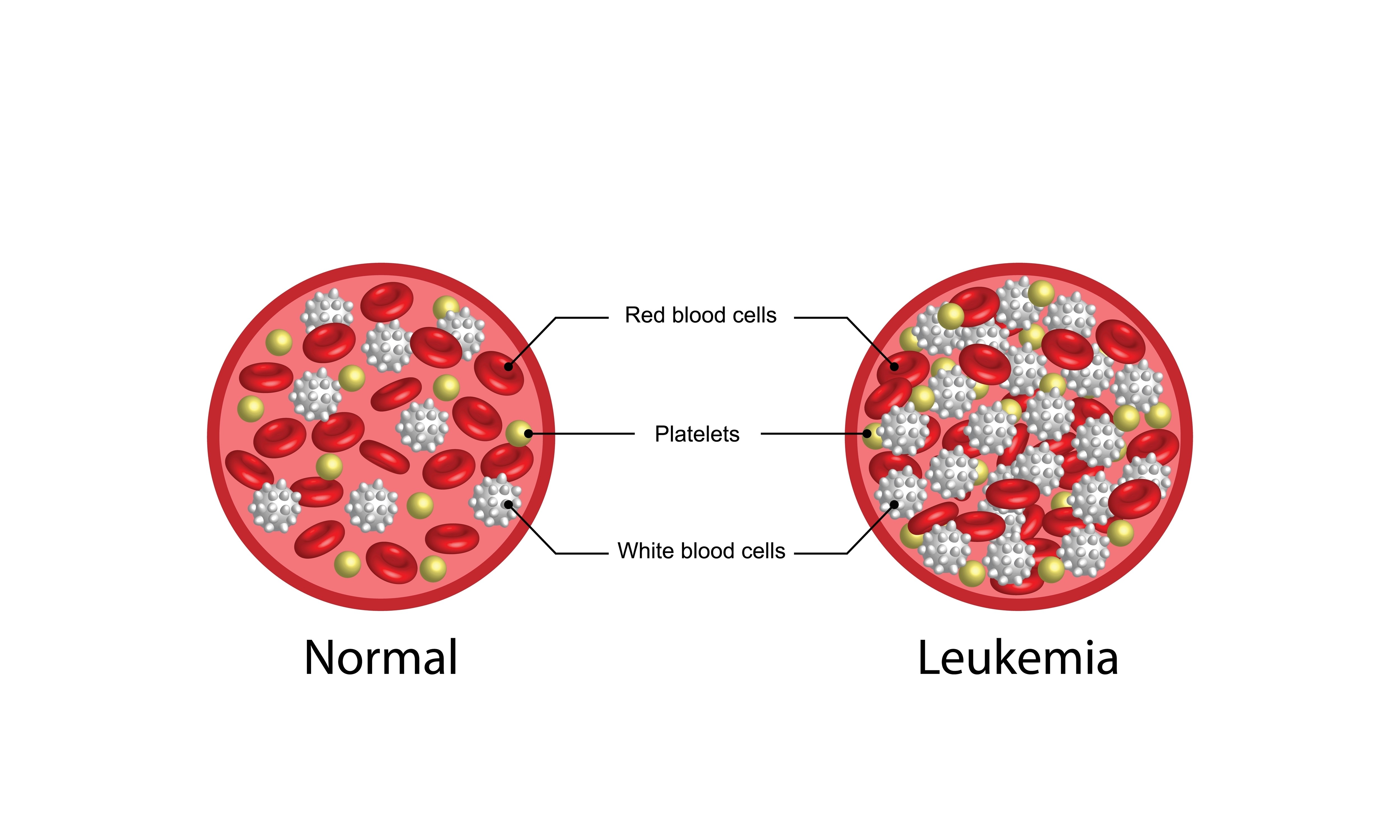
Leukemia is a cancer of the body’s blood-forming tissues, including the bone marrow and lymphatic system. Blood cells start growing out of control instead of maturing normally. There are many forms of leukemia, categorized by how fast they progress and which blood cells they involve. It can affect anyone: some forms are most common in children, and others (like chronic leukemia) usually occur in adults.
In the U.S., leukemia affects many people every year – tens of thousands receive a diagnosis annually. Because survival and outlook vary by type, it is useful for you to understand the basics. By being aware of leukemia’s signs and impact, you can help yourself or loved ones pay attention to any health changes. Better outcomes are possible today as more patients live longer or reach remission thanks to modern approaches, making awareness and support important.
Why It Develops and How It Appears
Scientists don’t know one exact cause of leukemia; it usually involves changes (mutations) in blood cell genes likely triggered by a mix of genetic and environmental factors. Factors that may increase risk include prior cancer treatments, certain inherited conditions (such as Down syndrome), exposure to some chemicals or radiation, and smoking. However, many people with these factors never get leukemia, and many who get it have none of them.
Common symptoms of leukemia include unusual tiredness, fevers, frequent infections, easy bruising or bleeding, and unexplained weight loss. You may also notice swollen lymph nodes or bone pain. These signs occur because leukemia cells crowd out healthy blood cells, causing shortages of normal white cells, red cells, and platelets. Experiences vary widely: one person might ignore early symptoms, thinking they are from another illness, while another person might feel ill quickly. Always remember that each case is unique.
How It Is Commonly Identified
Leukemia is often discovered through routine exams. A blood test may show unusual levels of white cells, red cells, or platelets, suggesting leukemia. A doctor may also look for physical signs like pale skin, easy bruising, or swollen lymph nodes. These clues might prompt more thorough testing. In some cases, leukemia is first noticed by happenstance on tests done for another reason.
If leukemia is suspected, a bone marrow biopsy is the key test. A doctor will use a needle to take a small marrow sample (often from the hip bone) to check for leukemia cells. Early recognition can be beneficial: knowing about leukemia sooner can give you more time to explore options, involve caregivers, and make daily life adjustments that match your needs.
Different Forms and Stages You May Hear About
Acute and chronic leukemias
Acute leukemias develop quickly over weeks or months. They involve immature cells that multiply rapidly. Chronic leukemias progress more slowly, involving more mature cells that may function normally for some time. Some chronic forms produce few early symptoms and can go unnoticed.
Lymphocytic vs. myelogenous
These terms refer to the type of blood cell affected. Lymphocytic leukemia starts in lymphocytes (immune cells), while myelogenous leukemia starts in other blood cell precursors. The two types tend to behave differently and have different names (for example, acute lymphoblastic leukemia vs. acute myeloid leukemia).
Forms by age
Some leukemias are more common in certain age groups. For example, acute lymphocytic leukemia (ALL) is most common in children, while chronic leukemias like CLL mostly affect older adults. You may also hear about rarer forms (like hairy cell leukemia), but these are less common.
Managing Daily Life With Leukemia
You may find it helpful to build gentle habits into your day. Eating a balanced diet with plenty of fruits, vegetables, lean proteins, and fluids can help boost your energy and support your immune system. Staying active as you can – even light activity like a short walk or gentle stretching – may help you feel stronger and improve your mood. Plan tasks for times of higher energy, and allow yourself plenty of rest breaks. Remember that every person is different, so listen to your body and adjust activities as needed to keep a healthy balance.
Emotional support is also important. You might talk about your feelings with friends, family, or a support group, and set small daily goals (like walking around the block) to keep motivation. Simple relaxation methods, such as deep breathing or writing in a journal, can reduce stress. If you have a caregiver, involve them in routines and decisions (for example, share tasks or plan enjoyable activities together). Finding what helps you feel cared for can make daily life more manageable and meaningful.

Simple Precautions That Can Support Safety and Comfort
To help you stay safe, try to avoid injury risks. For instance, use padded gloves when doing tasks that could cut or bruise you, and wear non-slip shoes or mats to prevent falls. Keep rooms well-lit and clutter-free to move around easily. Wash raw produce thoroughly and practice good food hygiene to lower infection risk.
Make your daily life comfortable by adjusting your surroundings and routine. Keep items you need within easy reach so you can rest when needed. Use extra pillows, cushions or adaptive tools to sit or lie comfortably. Plan breaks into your day and work at a pace that suits you. Everyone’s needs differ, so adapt these ideas in ways that feel best for you, ensuring you remain safe and comfortable.
Myths vs. Facts: What You Should Know
Myth
Leukemia only affects children.
Fact
It can occur at any age. Some kinds, like ALL, are more common in kids, but others mainly happen in adults.
Myth
Symptoms of leukemia are always obvious.
Fact
Early signs are often vague – fatigue, bruising or infections might be subtle and easy to miss.
Myth
Leukemia is always fatal.
Fact
Advances in care mean many people live long with leukemia and even reach remission.
Myth
All leukemias are the same.
Fact
There are many types of leukemia (acute vs. chronic, lymphoid vs. myeloid) that behave differently.
Why Awareness Still Matters
Understanding leukemia can help you recognize signs early and support someone facing this condition. Greater awareness may encourage timely check-ups and useful resources, offering more hope with advances in care. By learning accurate information, you can separate myths from reality and make more informed choices. Sharing knowledge can also reassure others: in the U.S., tens of thousands are diagnosed each year, so being informed helps your community as well as your family to cope with confidence and compassion.
Common Questions You May Have
What is leukemia?
Leukemia is cancer of the blood-forming tissues, such as bone marrow. It typically starts in cells that would develop into white blood cells, causing many abnormal cells to be produced.
Who can develop leukemia?
What symptoms should I watch for?
How is leukemia diagnosed?
Trending Articles
Helpful reads on diseases, therapies, and daily health choices.


my
health
wisdom
Simple information for everyday health decisions.
© 2026 MyHealthWisdom. All rights reserved.
The information on this website is not intended as a substitute for professional medical advice, diagnosis, or treatment. Always seek the advice of your physician or other qualified health provider with any questions you may have. Never disregard professional medical advice or delay in seeking it because of information you may have read on this website.