Menopause: A Supportive Guide to a Natural Life Change
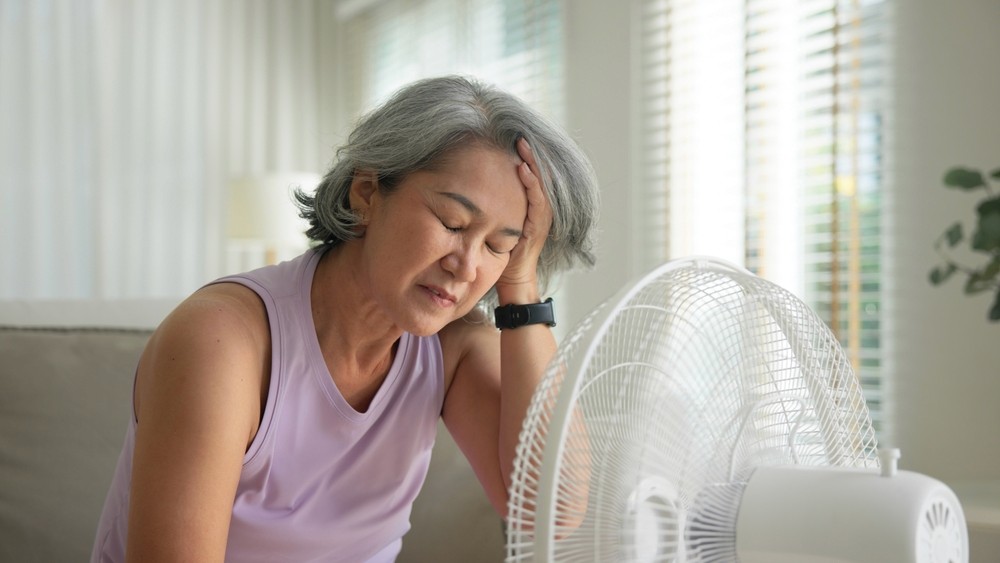
Learn what menopause is, why it happens, and how you can adapt day-to-day. This friendly overview explains menopause in simple terms for your family.
Understanding Menopause: What You Should Know
Menopause is when your menstrual periods stop permanently, marking the end of your body’s reproductive years. It’s confirmed when you have gone 12 months in a row without a period. Menopause is not an illness but a natural life transition that all women experience in their lifetime. This change usually happens in midlife, with an average age of about 51 in the United States. It does not happen overnight; your body transitions over several years, and you may experience symptoms or irregular periods along the way.
In the United States, approximately 2 million women enter menopause each year, meaning this natural stage of life affects many families and communities. Awareness of menopause is growing, helping more people understand what women go through and encouraging supportive conversations. Today’s women may live decades after menopause, so being informed about this transition can help you support long-term health and well-being during these years. Understanding menopause benefits not only you but also those around you, by fostering empathy and support among spouses, family, and even coworkers.
Why It Develops and How It Appears
Menopause happens as a result of the body’s natural aging process. Over time, the ovaries make fewer hormones (estrogen and progesterone), causing fertility to decline. In your late 30s and 40s, these hormone levels drop and menstrual cycles become irregular until they stop entirely around the typical midlife age. The exact timing often varies. Factors like genetics can play a role, and certain outside factors can lead to earlier menopause. For example, smoking and some medical treatments (such as chemotherapy or surgery to remove the ovaries) can cause menopause to occur sooner than usual.
Menopause can bring various physical and emotional changes, though symptoms often vary widely from person to person. One early sign may be that your menstrual cycle becomes irregular in the years leading up to menopause. Physically, you might experience hot flashes and night sweats, along with sleep problems or vaginal dryness that can make sex uncomfortable. Emotionally, it’s common to have mood swings or feel irritable. You might also notice brief memory lapses or difficulty concentrating. Not everyone has the same experience – you could have strong symptoms, or only minor issues, or even no noticeable symptoms at all.

How It Is Commonly Identified
Menopause is most often identified by its hallmark sign: not having a menstrual period for 12 months in a row. In practice, many people realize they’re approaching menopause through noticeable signs. You might observe your periods becoming irregular or experience common symptoms like hot flashes, sleep disturbances, and mood changes that hint your body is in the menopausal transition. These clues often emerge before menopause is officially confirmed by the one-year mark without a period.
There is usually no need for special tests to determine menopause. Doctors typically identify it by looking at your symptoms and history of missed periods. In most cases, not having any periods for a full year is enough to confirm menopause. However, if your periods stop at an unusually early age, a healthcare provider might check your hormone levels with a blood test to confirm what’s happening. Recognizing menopause early can be helpful – it lets you know your symptoms are normal for this stage, so you can adjust your self-care and not be alarmed by the changes.
Different Forms and Stages You May Hear About
Perimenopause
This is the transition phase leading up to menopause. During perimenopause, your hormone levels fluctuate and menstrual cycles become irregular. It can last for several years (about four years on average), and you may experience some menopause-like symptoms (such as hot flashes or mood changes) even though you still have periods.
Menopause
Menopause is reached when you have gone 12 months in a row without a menstrual period. It marks the end of ovulation and fertility – your ovaries no longer release eggs and produce very low levels of estrogen. Menopause itself is a single point in time (after those 12 months of no periods), after which you enter postmenopause.
Postmenopause
This term refers to the stage of life after menopause. You remain in postmenopause for the rest of your life. In this stage, your hormone levels stay low. Many menopausal symptoms, like hot flashes, usually ease up compared to before, but you may have some lasting effects. Lower estrogen after menopause can affect your long-term health (for example, it can reduce bone strength).
Managing Daily Life With Menopause
Your daily habits can make a big difference in how you feel during menopause. Staying physically active is often helpful – regular exercise (even simple activities like walking or yoga) can lift your mood and support your bone health. It may also help you sleep better and reduce the frequency of hot flashes for some people. Eating a balanced diet is important as well. Try to include plenty of calcium and vitamin D for bone strength, and eat a variety of fruits, vegetables, and whole grains to keep your body nourished. Staying hydrated by drinking water throughout the day can also be beneficial. Small adjustments in clothing add comfort: dressing in layers lets you remove a layer if you suddenly feel too warm from a hot flash. At night, keep your bedroom cool and dark. A calming bedtime routine may help you fall asleep more easily and improve your rest.
You don’t have to go through this alone. Talking with your partner, family, or friends about how you feel can lighten the emotional load. When people close to you understand why you might be more irritable or need extra rest, they can be more supportive and patient. It may also help to connect with others going through the same changes. Joining a support group (in person or online) to share experiences and tips can remind you that others understand what you’re facing. Also, make time to relax and do things you enjoy. Relaxation techniques like deep breathing or meditation, or even enjoying a hobby, can ease stress and lift your mood. If someone is helping you day-to-day, let them know what kind of support you need most so you can work together. Finally, be patient with yourself. Some days you might need to take it easy or say no to extra tasks, and that’s okay.

Simple Precautions That Can Support Safety and Comfort
Make small adjustments for safety and comfort. For example, keep cool to avoid feeling faint or overheated – use a fan when a hot flash strikes. Dress in layers so you can remove a layer if you get too warm. If you feel lightheaded or unsteady, stand up slowly and wait until you feel stable. It’s better to pause and rest than to risk losing your balance. Also, keep your living space well-lit and free of tripping hazards, especially for nighttime trips to the bathroom.
Be flexible with your routine and listen to your body. If you notice certain triggers (like hot rooms or spicy food) make you uncomfortable, try to avoid them when you can. Plan your day around your energy: tackle important tasks when you feel your best, and give yourself permission to rest or take breaks when needed. Use simple memory aids such as notes or phone reminders. Remember it’s okay to adjust your environment and schedule to put your comfort first.
Myths vs. Facts: What You Should Know
Myth
You can’t get pregnant once you start going through menopause.
Fact
Pregnancy is still possible during the transition. Until you’ve gone a full year without a period, you can still get pregnant.
Myth
Everyone has the same menopause symptoms.
Fact
Experiences differ widely. Some people have intense symptoms, while others have mild ones or none.
Myth
Menopause is a medical illness that needs to be cured.
Fact
Menopause isn’t a disease – it’s a natural stage of life.
Myth
Menopause only affects your periods.
Fact
It can impact sleep, mood, energy levels, and overall well-being.
Why Awareness Still Matters
In the United States, millions of women go through menopause each year, yet the topic has often been overlooked or misunderstood. Increasing awareness helps women, families, and even workplaces be more prepared and supportive. When people understand what menopause is and isn’t, it reduces stigma and confusion. It empowers you to make informed health choices and seek support if needed. Overall, awareness ensures that no one has to go through this natural transition feeling alone or uninformed.
Common Questions You May Have
When does menopause usually start, and how long does it last?
Menopause typically occurs in your late 40s or early 50s. The average age in the U.S. is around 51. The transition phase (perimenopause) often begins a few years before and lasts about four years on average.
What are common symptoms of menopause?
What is the difference between perimenopause and menopause?
Can you still get pregnant during the menopause transition?
Trending Articles
Helpful reads on diseases, therapies, and daily health choices.

my
health
wisdom
Simple information for everyday health decisions.
© 2026 MyHealthWisdom. All rights reserved.
The information on this website is not intended as a substitute for professional medical advice, diagnosis, or treatment. Always seek the advice of your physician or other qualified health provider with any questions you may have. Never disregard professional medical advice or delay in seeking it because of information you may have read on this website.