What is Eczema? A Simple Guide for Everyday Care
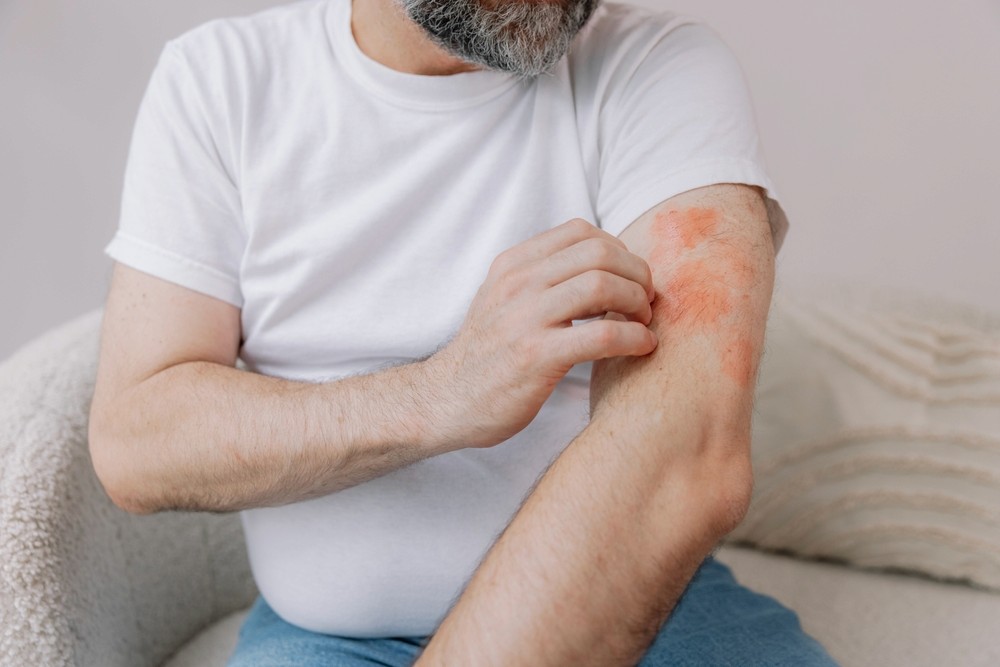
An overview of eczema covering what it is, why it happens, how it's recognized, and ways you can manage daily life with care and understanding.
Understanding Eczema: What You Should Know
Eczema is a general name for a group of chronic skin conditions that cause your skin to become inflamed, itchy, and irritated. The most common form is atopic dermatitis, but there are other types as well. Eczema often appears as dry, red, or bumpy patches on the skin that can be very itchy. Importantly, it is not contagious – you cannot catch eczema from someone else, and any infection doesn’t cause it. What makes eczema especially challenging is that it tends to be a long-lasting (chronic) issue: symptoms can flare up at times and then calm down, often in cycles.
This condition can affect people of all ages. It often begins in childhood, but adults can develop eczema too. In the United States alone, an estimated 31 million people have some form of eczema. Because it is so common, millions of families are learning how to manage its effects on daily life. By understanding what eczema is and who it can affect, you put yourself in a better position to recognize its signs and find supportive ways to cope with it.
Why It Develops and How It Appears
Experts don’t yet fully understand why one person develops eczema, and another doesn’t. Rather than a single cause, it’s believed to come from a mix of factors. People with eczema often have an overactive immune system and a genetic tendency that makes their skin’s protective barrier weaker. This means things that are harmless to others (like certain soaps, pollens, or pet dander) can trigger inflammation in your skin, leading to an eczema flare. If you have family members with eczema or allergies, your own chances of having eczema may be higher (though it’s not guaranteed). Every day stress or environmental factors might make it worse, but they are not the single “cause” of the condition.
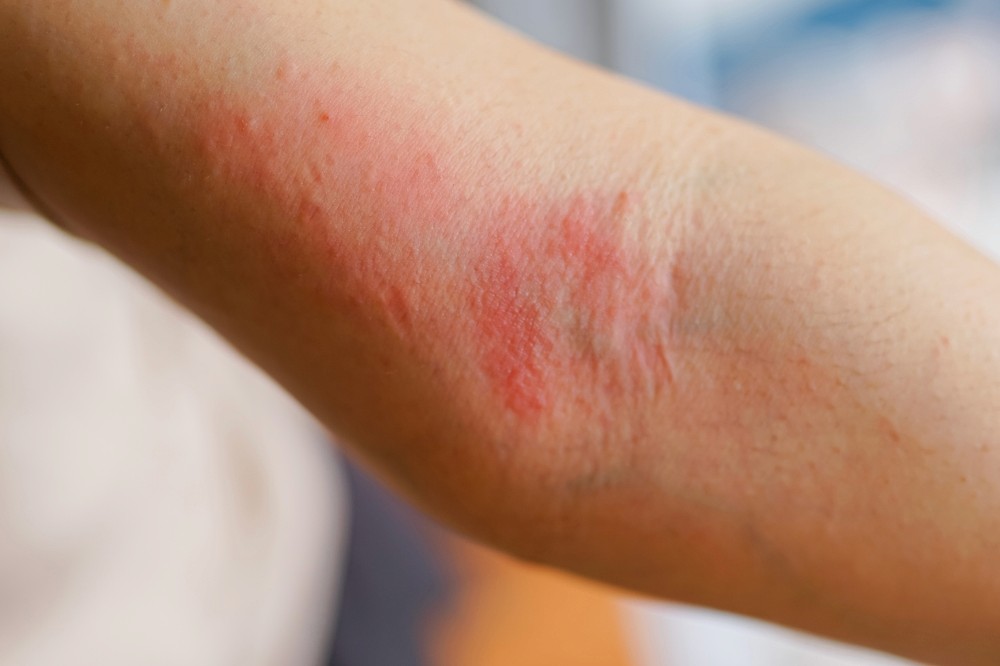
Eczema usually appears as patches of dry, extremely itchy skin. You might notice red or ashy gray areas that you feel an urge to scratch. The itching can be intense, especially at night. Some patches may develop small bumps, and if you scratch a lot, the skin can break open, ooze clear fluid, or eventually thicken into tougher, scaly areas. Common locations for eczema include the creases of your elbows or knees, your hands and wrists, neck, or even around the eyes – but it can appear almost anywhere on the body. It’s important to remember that everyone’s experience varies. One person might just have a small persistent rash on their hands, while another might have larger flare-ups across multiple areas. Eczema can even affect sleep or mood if the itch is very bad, causing frustration or fatigue. No matter the symptoms, the key thing is that eczema tends to come and go over time, and it can look a little different for each person.
How It Is Commonly Identified
In most cases, eczema is diagnosed through a medical examination rather than a single lab test. If you have ongoing itchiness, rashes, or very dry patches that don’t improve, a dermatologist will closely examine your skin and ask about your symptoms. They’ll typically ask when the problem began, what triggers or worsens it, and whether you have a personal or family history of eczema or allergies. There is no specific blood test or imaging scan that confirms eczema, so diagnosis is based on how the skin looks and the pattern of symptoms. In some situations, doctors may run additional tests—such as allergy or patch testing—to rule out contact reactions or other conditions. Occasionally, a small skin biopsy may be done to exclude other skin disorders that can resemble eczema.
Early identification of eczema can make a meaningful difference in comfort and long-term skin health. Recognizing the condition allows you to begin helpful steps right away, such as improving moisturizing habits or avoiding products that irritate your skin. Addressing eczema early may also help prevent complications. Persistent itching and scratching can damage the skin, increasing the risk of infection. With an accurate diagnosis, you can focus on soothing the skin, reducing flare-ups, and managing symptoms more effectively before they worsen.
Different Forms and Stages You May Hear About
Atopic Dermatitis
This is the most common type of eczema. It often starts in childhood. Atopic dermatitis is associated with allergies or asthma – for example, it may flare up alongside seasonal allergies. People with this type usually have very dry, sensitive skin and may experience frequent itch and rash on the creases of the elbows, knees, or face.
Contact Dermatitis
This type of eczema is triggered by touching specific irritants or allergens. Your skin becomes red, itchy, and irritated right where it made contact with something bothersome. Common triggers include things like certain metals (for example, nickel in jewelry), detergents or soaps, fragrances, or chemicals like bleach. Once you identify the culprit, avoiding that substance can help prevent this kind of eczema.
Seborrheic Dermatitis
A form of eczema that causes dry, flaky skin in areas that tend to be oily. You might know this as dandruff when it’s on the scalp. It often affects the scalp, sides of the nose, eyebrows, or chest, causing redness and scales. Unlike other eczemas, seborrheic dermatitis can be less itchy; it’s related in part to skin oils and a type of yeast on the skin.
Managing Daily Life With Eczema
A gentle daily routine can make living with eczema more comfortable, as small daily habits can help keep your skin calmer. Many people benefit from bathing or showering in warm (not hot) water and keeping showers short to avoid drying out the skin. After gently patting dry, applying a rich moisturizer while the skin is still slightly damp helps seal in moisture, soothe dryness, and protect the skin barrier. Using mild, unscented soaps, cleansers, and fragrance-free laundry detergents can reduce irritation. Wearing soft, breathable fabrics like cotton is often more comfortable, while rough materials such as wool or synthetic fabrics may worsen itching. Keeping a consistent daily schedule, including regular sleep and wake times, may also help reduce stress and nighttime discomfort.
Eczema care goes beyond physical routines and includes emotional well-being and support. Living with a visible, chronic condition can be frustrating, especially during flare-ups or after sleepless nights, and those feelings are completely normal. Because stress can worsen eczema for some people, finding ways to relax—such as light exercise, yoga, or deep-breathing—can be helpful. Talking with trusted friends or family can provide understanding and support, and some people find comfort in support groups where they can share experiences with others who relate. Being kind to yourself is important; eczema has better days and harder ones, but flare-ups do calm down with time, care, and a flexible mindset.

Simple Precautions That Can Support Safety and Comfort
Use a moisturizer regularly, especially right after bathing, to help maintain your skin’s protective barrier. When you shower or wash, use lukewarm water, since hot water can strip away natural oils and dry your skin. Gently pat yourself dry with a soft towel and apply a fragrance-free cream or ointment to lock in hydration.
Wear loose, soft clothing made of breathable materials like cotton. Try to avoid scratchy fibers such as wool or rough synthetics directly on your skin. It’s a good idea to wash new clothes before wearing them to remove any chemical finishes that might irritate your skin. Also, stick to mild, unscented laundry detergents and skincare products to minimize exposure to potential irritants.
Keeping your fingernails short is a simple but important precaution. Short nails will do less damage if you do scratch an itchy spot, reducing the chance of breaking the skin. If you tend to scratch in your sleep, consider wearing light cotton gloves to bed so you don’t accidentally hurt your skin during the night. Taking these steps can help prevent open sores and possible infections that can come from intense scratching.
At home, you can make small tweaks to keep your surroundings comfortable for eczema. If low humidity (especially in winter) makes your skin drier, using a humidifier in your bedroom can add moisture to the air and support your skin. Try to keep your home at a stable, comfortable temperature – not too hot and not too cold – since rapid changes in temperature or very sweaty environments can trigger itchiness. Everyone’s triggers are different, so observe what environmental factors affect you and adjust what you can (for example, using air purifiers if dust is an issue, or wearing gloves when handling cleaning chemicals).
Myths vs. Facts: What You Want to Clarify
Myth
Eczema is contagious
Fact
Eczema cannot spread from person to person. It’s an inflammatory skin condition, not an infection.
Myth
Only young children get eczema
Fact
While eczema often begins in childhood, people of any age can have it
Myth
"It will just go away on its own"
Fact
Some children outgrow eczema, but many continue to experience flares into adulthood
Myth
There’s a cure that will eliminate eczema
Fact
There is no cure for eczema, but symptoms can be effectively managed and skin can heal during flares
Why Awareness Still Matters
Even though eczema is common, awareness remains important. Understanding the condition helps reduce stigma and misconceptions, such as the belief that eczema is contagious or caused by poor hygiene. Greater awareness allows friends, family, and coworkers to be more supportive, whether that means understanding frequent moisturizing or avoiding certain fragrances. Eczema affects more than the skin - it can impact sleep, confidence, and mental well-being. Sharing knowledge encourages empathy and understanding in everyday situations, including at work or school. On a broader level, awareness also supports continued research and improved treatments, helping those with eczema feel seen, supported, and understood.
Common Questions You May Have
Is eczema contagious?
No. You cannot catch eczema from someone else, and you won’t give it to anyone by touch. The rash comes from your body’s own inflammation, not a germ or virus, so it’s perfectly fine to hug or be close to someone with eczema.
Can eczema be cured or ever go away completely?
What can trigger an eczema flare-up?
How is eczema usually treated?
Trending Articles
Helpful reads on diseases, therapies, and daily health choices.


my
health
wisdom
Simple information for everyday health decisions.
© 2026 MyHealthWisdom. All rights reserved.
The information on this website is not intended as a substitute for professional medical advice, diagnosis, or treatment. Always seek the advice of your physician or other qualified health provider with any questions you may have. Never disregard professional medical advice or delay in seeking it because of information you may have read on this website.