Facing Type 2 Diabetes: What You Should Know

An overview of Type 2 diabetes – what it is, why it happens, how it’s recognized, and ways you can manage daily life with this condition.
Understanding Type 2 Diabetes: What You Should Know
Type 2 diabetes is a chronic metabolic condition related to how your body handles sugar. Insulin is a hormone that normally helps move sugar from your blood into your cells for energy. In Type 2 diabetes, your cells don’t respond normally to insulin, or your pancreas may not make enough, so sugar stays too high in your blood. It’s the most common form of diabetes. In fact, about 1 in 10 Americans has diabetes, and roughly 90–95% of them have Type 2. This condition often starts in middle age or later, but it can also occur earlier.
More than 38 million Americans have diabetes (about 1 in 10), and most of them have Type 2 diabetes. It often appears in middle age or later, but now it is also seen in younger adults and even teens. Because high blood sugar can affect many parts of the body, having Type 2 diabetes may raise the chance of heart issues, vision loss, and kidney problems over time. Understanding Type 2 diabetes can help you stay informed about your health and support the health of your family.
Why It Develops and How It Appears
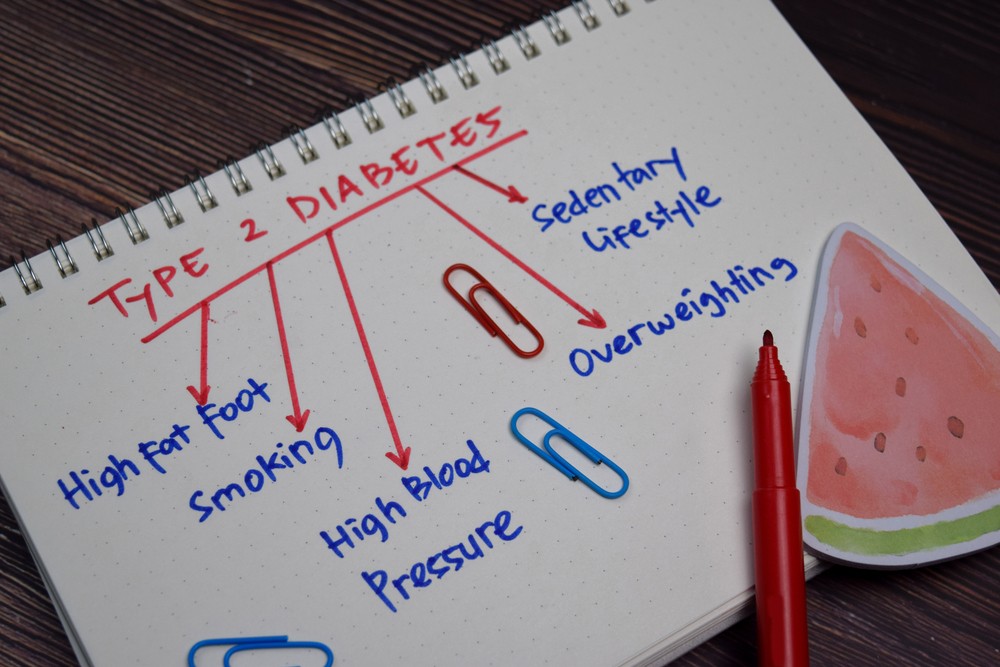
Type 2 diabetes develops from many factors. Your cells can become insulin-resistant, and your pancreas may make less insulin. Lifestyle and genetics both play a part. For example, carrying extra weight (especially around the belly), getting little exercise, or eating lots of processed foods can contribute to insulin resistance. Your risk is also higher if you are 45 or older or if a parent or sibling has diabetes. Other factors include having had diabetes during pregnancy or being part of certain ethnic groups (such as African American, Hispanic, or Native American). These things raise the odds of Type 2 diabetes, but none of them guarantees you will get it.
Symptoms of Type 2 diabetes often develop slowly, so you might not notice them at first. You may feel very thirsty, need to urinate more often (especially at night), or feel unusually tired or hungry. You might see cuts and bruises heal more slowly, or notice tingling or numbness in your hands or feet. Other signs can include blurry vision, dry or itchy skin, and – for women – more frequent yeast or bladder infections. Everyone’s experience is different: some people have only mild symptoms or none at all, which is why a simple blood test is often needed to find it.
How It Is Commonly Identified
Type 2 diabetes is usually identified with a simple blood test. If you or your doctor suspect it, a fasting blood sugar test (after not eating overnight) higher than about 126 mg/dL or an A1C of 6.5% or more generally means diabetes. Sometimes, a random (any time) blood sugar of 200 mg/dL or more can also indicate diabetes. These tests check your average blood sugar over time. A result in these ranges usually leads to a diagnosis of diabetes, often confirmed by repeating the test or using another test.
Doctors often look for Type 2 diabetes during routine check-ups, especially if you have risk factors. Early recognition is helpful. If tests show higher blood sugar, you might take steps like eating more healthful foods and being active, which can help delay or reduce the impact of diabetes on your body. For example, finding it early means you can start healthy habits now rather than later, giving you more time to adjust and manage the condition.
Different Forms and Stages You May Hear About
Prediabetes
Blood sugar is higher than normal but not high enough to be called diabetes. It raises your risk of developing Type 2 diabetes and other health issues. Catching this early stage can help you make changes—like healthier eating and more activity—that may keep it from progressing into full diabetes.
Type 2 Diabetes
This is the form we’re primarily discussing in this overview. Early on, it can often be managed through healthy eating, exercise, and sometimes pills to lower blood sugar. Over time, your pancreas may make less insulin, so some people eventually need insulin injections to keep blood sugar in range. Everyone’s experience can vary.
Other Diabetes Types
You may hear about Type 1 diabetes, which often starts in childhood and requires insulin, and gestational diabetes, which happens during pregnancy. These are not Type 2, but they come up in discussions. Knowing the difference can help avoid confusion.
Managing Daily Life With Type 2 Diabetes
You can build lifestyle habits that support daily management of Type 2 diabetes. For example, aim for balanced meals with vegetables, whole grains, lean proteins, and reasonable portions. Being active regularly can help your body use sugar better: daily walks, light exercise, or just moving around more often may be useful. Staying at a healthy weight (if needed) may also make managing easier. Drinking enough water and limiting sugary drinks can help, too. Keep a routine and track what works: eat around the same times each day, and jot down meals or activities. Noticing how foods and exercise affect your blood sugar may help you learn what’s best for your body. Taking care of yourself is part of it, too. Try ways to relax and get enough sleep, and reach out to friends or support groups to share how you feel. That emotional support can make a big difference as you adapt.
Involving others can be part of daily management, too. Your family or friends might help remind you about meals and medicines, and they may join you in cooking healthy meals or exercising. Set up systems that fit your life: for example, use a pill organizer or phone reminders if you take medicines or insulin. Keep your shoes and feet comfortable, and carry a small snack or drink if you ever feel shaky or hungry. Stay on schedule with any follow-up care you need – for example, regular eye checks or foot checks can spot issues early. Try to make diabetes-friendly habits part of your routine: meal planning, exercise, and leaning on loved ones can make it feel more manageable and less lonely. Remember to acknowledge your efforts – every good choice or steady sugar reading is a win to celebrate.

Simple Precautions That Can Support Safety and Comfort
Stay safe by making small adjustments. Keep floors clear of clutter to prevent trips, and secure rugs or use rails if needed. Wear supportive shoes and socks to protect your feet (especially if you feel numb or tingly). Check water temperature carefully when bathing or cooking, since nerve changes may blunt heat sensitivity. Use a nightlight if you wake up at night to avoid falls. If you’re away from home and feel shaky or weak, carrying a snack or drink can help you feel better.
Consider comfort and daily routines, too. Wear breathable clothing and comfortable shoes to avoid skin irritation or sore spots. Since healing can be slow, treat cuts or blisters gently and keep them clean. If you drive, keep a sugar snack or juice in the car. When you go out, pack extra snacks, water, and any supplies you need. At home, keep frequently used items within easy reach to avoid extra strain. Small steps like using moisturizer on dry skin or a cushion for sore feet can help.
Myths vs. Facts: What You Should Know
Myth
Only overweight people get Type 2 diabetes.
Fact
Type 2 diabetes can affect anyone. Extra weight raises risk, but even people at a healthy weight can get it.
Myth
Only older adults get Type 2 diabetes.
Fact
Adults of any age – even teens – can develop Type 2. It’s more common in older age, but it can affect any age.
Myth
If you feel fine, you don’t have diabetes.
Fact
You can have Type 2 for years with no obvious symptoms. A blood test is the only way to know for sure.
Myth
Type 2 diabetes is caused by eating too much sugar.
Fact
Sugar intake alone does not cause Type 2 diabetes. Genetics, activity level, weight, and how your body uses insulin also play a role.
Why Awareness Still Matters
Understanding Type 2 diabetes matters because it’s very common and can run in families. In the US, more than 38 million people have diabetes, most with Type 2. Knowing the facts can help you spot risk factors or early signs in yourself or loved ones. Awareness also means you can support each other: sharing healthy habits, encouraging check-ups, and adjusting daily routines together. This knowledge helps families stay proactive, so they can make informed choices and respond calmly if diabetes becomes part of their lives.
Common Questions You May Have
What are the common symptoms of Type 2 diabetes?
Common signs include feeling more thirsty, needing to pee often, feeling tired or hungry, slow-healing cuts, and blurry vision. Everyone’s body is different, so symptoms can vary.
How can I lower my risk of developing Type 2 diabetes?
Is Type 2 diabetes serious?
Will I always need medication for Type 2 diabetes?
Trending Articles
Helpful reads on diseases, therapies, and daily health choices.


my
health
wisdom
Simple information for everyday health decisions.
© 2026 MyHealthWisdom. All rights reserved.
The information on this website is not intended as a substitute for professional medical advice, diagnosis, or treatment. Always seek the advice of your physician or other qualified health provider with any questions you may have. Never disregard professional medical advice or delay in seeking it because of information you may have read on this website.