High Blood Pressure: What It Means for You

Learn about high blood pressure in simple terms. Find out what it is, why it happens, and how you can manage this common condition day to day.
Understanding High Blood Pressure: What You Should Know
Your blood pressure is the force of blood pushing against your artery walls. For adults, a normal blood pressure is usually below 120/80 mm Hg, and readings of around 130/80 mm Hg or above are considered high. High blood pressure (hypertension) means this force is consistently higher than that normal range. It is typically noted as two numbers in a blood pressure reading (systolic "over" diastolic). If those numbers stay too high over time, it indicates that you have high blood pressure.
High blood pressure can affect anyone. You might think it’s only a concern for older adults, but it can touch all age groups. In fact, about half of American adults have hypertension. Because it often causes no noticeable symptoms, many people don’t realize they have it – that’s why it’s nicknamed a “silent” condition. It’s relevant to know about because, if left unchecked, high blood pressure can quietly strain your heart and other organs over time.
Why It Develops and How It Appears
High blood pressure usually develops gradually over years. There isn’t always one clear cause – often it comes from a mix of factors. You may be more likely to develop it if you have certain risk factors. These include things like a family history of hypertension, getting older, being overweight, eating a high-salt diet, or not staying active. Long-term stress or ongoing health issues (such as diabetes or kidney problems) can also contribute to rising blood pressure over time. In some cases, an underlying condition or medication causes high blood pressure (called secondary hypertension), but most people have the primary form.
One tricky thing about high blood pressure is how quietly it appears. You might feel perfectly fine even if your blood pressure is high. In most cases there are no obvious signs or pain to warn you. Some people may experience mild symptoms like headaches, shortness of breath, or nosebleeds when their blood pressure is very high, but these symptoms aren’t typical for everyone. They usually only happen once blood pressure reaches a severe level, and even then they can vary. Because everyone’s body responds differently, many individuals have high blood pressure for years without realizing it.
How It Is Commonly Identified
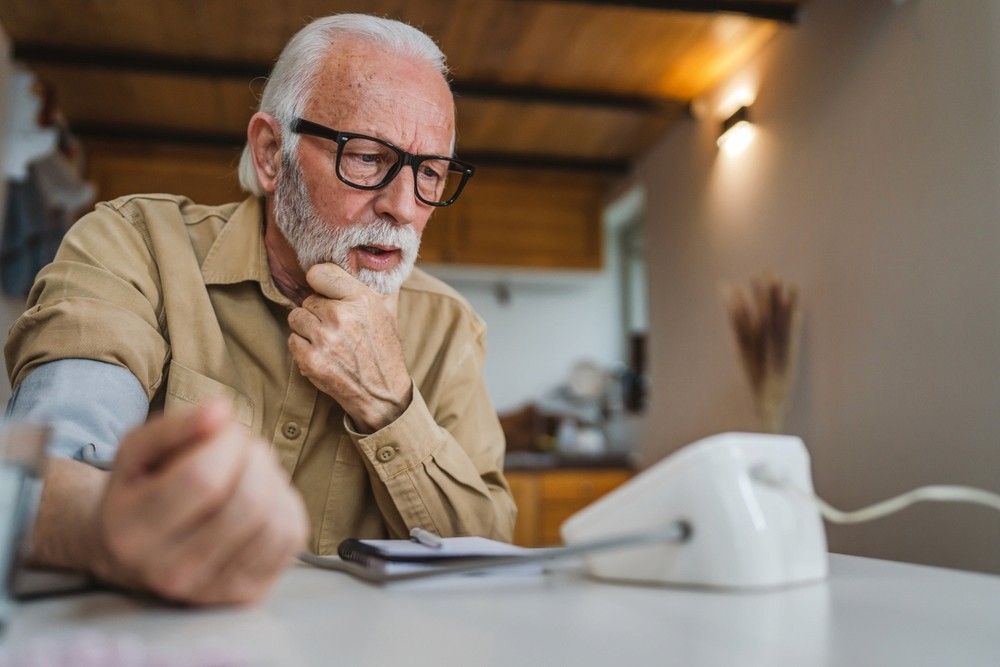
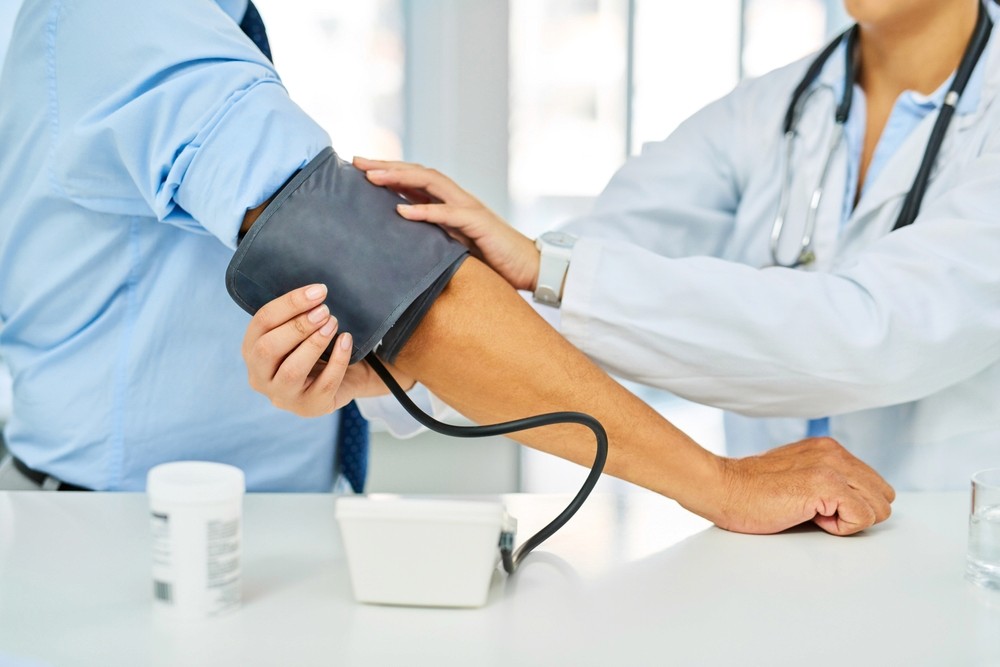
High blood pressure is usually discovered during a blood pressure check. A nurse or doctor wraps an inflatable cuff around your arm to measure the pressure. You might get this done at a routine health visit, a pharmacy, or even with a home monitor. One single high reading doesn’t always mean you have hypertension – typically, it takes multiple readings on different days to diagnose it. Healthcare providers compare your numbers to standard blood pressure ranges to see if your levels are normal, elevated, or high.
Knowing about high blood pressure early can be helpful. It gives you a chance to make simple changes or monitor your health before more serious problems develop. Regular check-ups or screenings can catch high blood pressure even when you feel fine, alerting you to address it. If you find out your blood pressure is high, you can take steps like adjusting daily habits to help keep it in a safer range. Managing it early may reduce the risk of complications such as heart disease or stroke later on.
Different Forms and Stages You May Hear About
Primary (Essential) Hypertension
This is the most common form of high blood pressure. It has no single identifiable cause and tends to develop gradually over many years. Most people with hypertension have this type.
Secondary Hypertension
This type is caused by another underlying issue. It can appear suddenly and often results in higher blood pressure readings than primary hypertension. For example, kidney disease or certain medications can lead to secondary hypertension.
Elevated Blood Pressure
Sometimes called "prehypertension," this means your blood pressure is above the normal range but not yet in the high blood pressure zone. For instance, a reading in the 120–129 (systolic) range with a diastolic under 80 is considered elevated. It’s a warning sign that could progress to hypertension if not addressed.
Managing Daily Life With High Blood Pressure
Living with high blood pressure often means making some mindful lifestyle choices. Small daily habits can sometimes help support healthier blood pressure levels. For example, many people aim to stay active by incorporating regular exercise like walking or gentle workouts. Eating a balanced diet that is lower in salt and rich in fruits, vegetables, and whole grains may be beneficial. Cutting back on smoking or avoiding tobacco, as well as limiting alcohol intake, can also have a positive effect on your blood pressure. Maintaining a healthy weight is another goal that can make a difference – even losing a modest amount of weight may help. Everyone is different, so these changes often work best when tailored to your life and done gradually.
It’s equally important to take care of your emotional well-being. Stress can sometimes contribute to higher blood pressure, so finding ways to relax might help. You could try simple relaxation techniques like deep breathing exercises, meditation, or gentle yoga to calm your mind. Even spending time on a favorite hobby or listening to calming music can be a simple way to unwind. Getting enough sleep each night is also helpful, as good rest supports your overall health and energy levels. Don’t underestimate the power of support from others – sharing your goals with family or friends can keep you motivated. They might join you for a walk or help cook a low-salt meal, making healthy changes feel easier. Remember that managing high blood pressure is a gradual process, so be patient and find a routine that works for you.
Simple Precautions That Can Support Safety and Comfort
There are a few simple precautions you might take to stay safe and comfortable each day. If you monitor your blood pressure at home, be sure to follow the device instructions so you get accurate readings. Be mindful of sudden changes in posture or activity – for example, standing up slowly after sitting or lying down can help prevent dizziness. Try not to push yourself too hard all at once; pacing your activities and taking short breaks can keep you from feeling lightheaded or overly strained.
Keeping your daily routine flexible can support your comfort. Pay attention to how you feel and adjust activities as needed – it’s okay to rest when you need to. For instance, you might spread out chores throughout the day instead of doing too much at once. A calm home environment can help, too. Little things like a comfy chair or a spot to put your feet up when relaxing can make a difference. Everyone’s needs are different, so it’s fine to adapt these ideas to what works best for you.
Myths vs. Facts: What You Should Know
Myth
High blood pressure always causes noticeable symptoms.
Fact
Most people with high blood pressure feel normal, so you can’t rely on symptoms to alert you.
Myth
Only older people need to worry about high blood pressure.
Fact
This condition can affect adults of all ages, not just seniors.
Myth
If my blood pressure is a little high, it’s not a big deal.
Fact
Even slightly elevated blood pressure can put extra strain on your heart and should be taken seriously.
Myth
High blood pressure is only a concern if you feel unwell.
Fact
Damage can occur silently over time, which is why regular blood pressure checks are important.
Why Awareness Still Matters
High blood pressure is very common, yet it often goes unnoticed until it causes problems. This is why awareness is so important. When you understand this condition, you are more likely to get your blood pressure checked regularly and take gentle steps to keep it in a healthy range. By staying informed, you empower yourself and your family to make small changes that may support better heart health. In short, knowing about high blood pressure can help you catch it early and manage it before it leads to more serious issues.
Common Questions You May Have
Can you have high blood pressure without any symptoms?
Yes. High blood pressure often has no symptoms at all – you can feel perfectly fine even when your readings are high. That’s why it’s important to get your blood pressure checked occasionally, rather than waiting for signs of a problem.
What numbers are considered high blood pressure?
Can high blood pressure be cured or go away?
Is it safe to exercise if you have high blood pressure?
Trending Articles
Helpful reads on diseases, therapies, and daily health choices.

my
health
wisdom
Simple information for everyday health decisions.
© 2026 MyHealthWisdom. All rights reserved.
The information on this website is not intended as a substitute for professional medical advice, diagnosis, or treatment. Always seek the advice of your physician or other qualified health provider with any questions you may have. Never disregard professional medical advice or delay in seeking it because of information you may have read on this website.