Cardiac Arrest: What Really Happens When the Heart Suddenly Stops
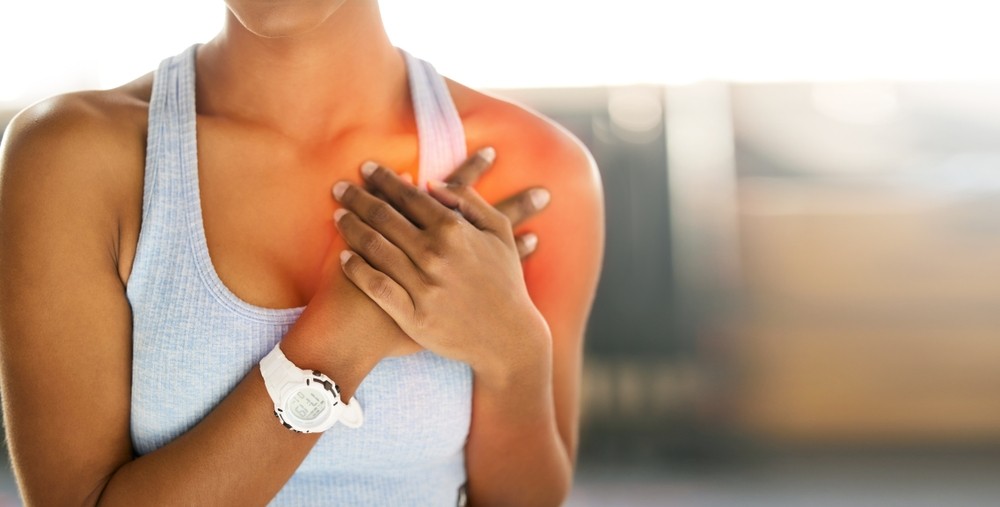
Learn what cardiac arrest is, common causes and warning signs, and ways you and your loved ones can stay safe and supported.
Understanding Cardiac Arrest: What You Should Know
Cardiac arrest is the abrupt loss of heart function. It can happen suddenly, with or without any known heart disease. When it occurs, the heart stops pumping blood to the body, so a person collapses and quickly loses consciousness. Because blood flow stops, cardiac arrest is life-threatening and often fatal without quick help. People sometimes confuse cardiac arrest with a heart attack, but they are different conditions. Anyone can be affected, but those with heart disease and older adults face higher risk.
Every year in the U.S., over 350,000 people have an out-of-hospital cardiac arrest. Many events happen at home or in public. People most at risk include older adults and men, and out-of-hospital cardiac arrest often affects people at home. Because it strikes quickly and without warning, understanding it is important for everyone. Knowing the facts can help reduce fear and make you feel more prepared. For families, knowing what to expect if cardiac arrest occurs can make a crisis less chaotic and scary.
Why It Develops and How It Appears
You may wonder how this happens. Cardiac arrest often starts when your heart has a serious problem. Many cases are linked to heart disease: for example, blocked arteries (coronary artery disease) or an enlarged or weakened heart muscle (cardiomyopathy) may disrupt heart function. Problems with heart valves or an irregular heart rhythm (arrhythmia) can also trigger cardiac arrest. In rare situations, a forceful blow to the chest (commotio cordis) can cause it. Risk factors include high blood pressure, diabetes, smoking, and a family history of heart problems.
If your heart suddenly stops, you collapse and lose consciousness almost immediately. You stop breathing normally – you might only gasp or breathe weakly. People around you see that you are unresponsive and that your heart is no longer beating. In short, your body shuts down because blood flow to the brain and organs has stopped. Cardiac arrest often happens with little or no warning. Some people experience chest pain, dizziness, or trouble breathing just before it happens (often if a heart attack triggered it), but many do not notice any signs. Everyone’s experience may differ.

How It Is Commonly Identified
Cardiac arrest is usually recognized by its sudden symptoms. If you see someone collapse and stop breathing, it likely means their heart has stopped. Laypeople or first responders will check for a pulse and start CPR, and may use an AED (automated external defibrillator) if available. Early CPR and defibrillation can help the heart restart and significantly improve the person’s chance of survival. In a hospital, doctors confirm the event and may run tests (like an ECG or heart scan) to understand its cause.
Because cardiac arrest happens suddenly, it is often formally recognized after the fact. If you (or a loved one) survives the event, doctors will perform tests (for example, an ECG, blood tests, or heart imaging) to determine the cause. Knowing the cause can help guide follow-up care. Remember, early recognition and quick action (CPR and AED use) can significantly raise the chance of surviving cardiac arrest. Because every second counts, awareness and prompt response can make a real difference.
Different Forms and Stages You May Hear About
Primary vs Secondary Cardiac Arrest
“Primary” cardiac arrest comes from an internal heart problem (heart disease or arrhythmia). “Secondary” cardiac arrest follows another event (like choking, severe bleeding, or a sudden blow to the chest). The majority are primary, but rare cases (like commotio cordis from trauma) are secondary.
Shockable vs Nonshockable Rhythms
During cardiac arrest, the heart’s rhythm can be “shockable” (like ventricular fibrillation or pulseless ventricular tachycardia, which may respond to a defibrillator shock) or “nonshockable” (like asystole or pulseless electrical activity, which do not). The initial rhythm guides emergency treatment steps.
Immediate vs Recovery Phase
The “immediate” phase is when the heart has just stopped, and emergency actions (CPR/AED) are underway. If someone survives, the later “recovery” phase follows. During recovery, you may need rehabilitation and support to regain strength, manage any after-effects, and adjust emotionally. Survivors often find that support groups and time to recover can be helpful.
Keep in mind, these categories are general. People don’t always fit neatly into one stage, and symptoms often overlap between stages. Still, understanding the typical stages can help you plan and adapt as the disease progresses.
Managing Daily Life After Cardiac Arrest
Your heart and body have been through a major event and need time to recover. In daily life, focus on general heart-healthy habits. You can follow a balanced diet (fruits, vegetables, whole grains, lean proteins) and limit salt, saturated fat, and added sugar. Gentle, regular exercise (walking, swimming, or biking) can help strengthen your heart over time, but start slowly and increase activity gradually. Make sure to get enough rest each day, since fatigue is common at first. Avoid smoking (and stay away from secondhand smoke) and try to keep stress low with relaxation practices that work for you (like deep breathing or meditation). You may have medications or recommended check-ups – following these as directed is part of daily care.
Recovering from cardiac arrest can affect your mood and memory as well as your body. It’s common to feel a mix of relief, fear, or anxiety after the event. It helps to talk about these feelings with someone you trust – a friend, family member, or counselor. You might also consider joining a support group or online community for survivors, since many people say talking to others who have been through this is helpful. Your loved ones are part of your recovery too: they can assist with daily tasks, remind you of appointments, and provide encouragement. Give yourself permission to take things slowly and celebrate small improvements (like walking a bit farther or feeling a bit stronger each week).
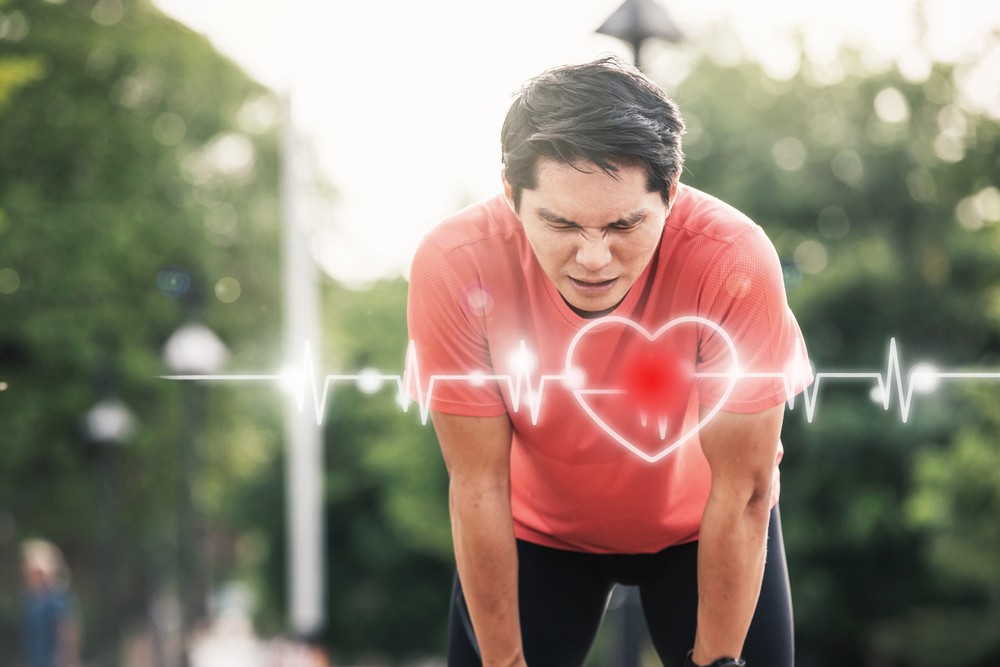
Simple Precautions That Can Support Safety and Comfort
In daily life, use simple safety measures. Keep walkways free of clutter or loose rugs (to prevent falls) and ensure rooms are well-lit. Use sturdy chairs or railings if you need support, and take stairs slowly. Keep a phone and emergency contacts close at hand. Wear comfortable, sturdy shoes and take rests as needed when doing chores. If you suddenly feel dizzy, very weak, or short of breath, sit or lie down at once and let someone know. These steps can help keep you safe.
For comfort, make small adjustments to your routine. Use pillows or cushions to support your back or legs if you feel tired or achy. Keep your home at a comfortable temperature (not too hot or cold) since extremes can strain your heart. Dress in layers so you can adjust if you feel too warm or chilly. Eating smaller, frequent meals (instead of one big meal) can help keep your energy steady and avoid dizziness. Follow these suggestions flexibly and focus on what helps you feel most at ease.
Myths vs. Facts: What You Should Know
Myth
Cardiac arrest only happens to older people.
Fact
It can happen at any age, though risk rises with age.
Myth
Cardiac arrest is the same as a heart attack.
Fact
They are different. Cardiac arrest is an electrical failure, while a heart attack is caused by a blocked artery.
Myth
Cardiac arrest always causes chest pain or warning signs.
Fact
It often occurs with little or no warning, so chest pain may not happen.
Myth
CPR or shocks will definitely save a cardiac arrest patient
Fact
CPR and defibrillation improve survival chances, but they are not guaranteed.
Why Awareness Still Matters
Cardiac arrest affects many Americans every year and often strikes without warning. Because every second counts, knowing what it is and how it can happen may empower you and your loved ones to act quickly. Even a simple skill like hands-only CPR, learned by a bystander, can double or triple the chance of survival. Staying informed helps families reduce fear and feel more prepared if an emergency occurs.
Common Questions You May Have
What is the difference between cardiac arrest and a heart attack?
Cardiac arrest is when the heart’s electrical system fails, and the heart stops beating. A heart attack is different: it happens when blood flow to the heart muscle is blocked (for example, by a clot). They often are confused, but are not the same event.
Who is most at risk for cardiac arrest?
What are the warning signs of cardiac arrest?
Can cardiac arrest be prevented?
Trending Articles
Helpful reads on diseases, therapies, and daily health choices.


my
health
wisdom
Simple information for everyday health decisions.
© 2026 MyHealthWisdom. All rights reserved.
The information on this website is not intended as a substitute for professional medical advice, diagnosis, or treatment. Always seek the advice of your physician or other qualified health provider with any questions you may have. Never disregard professional medical advice or delay in seeking it because of information you may have read on this website.